
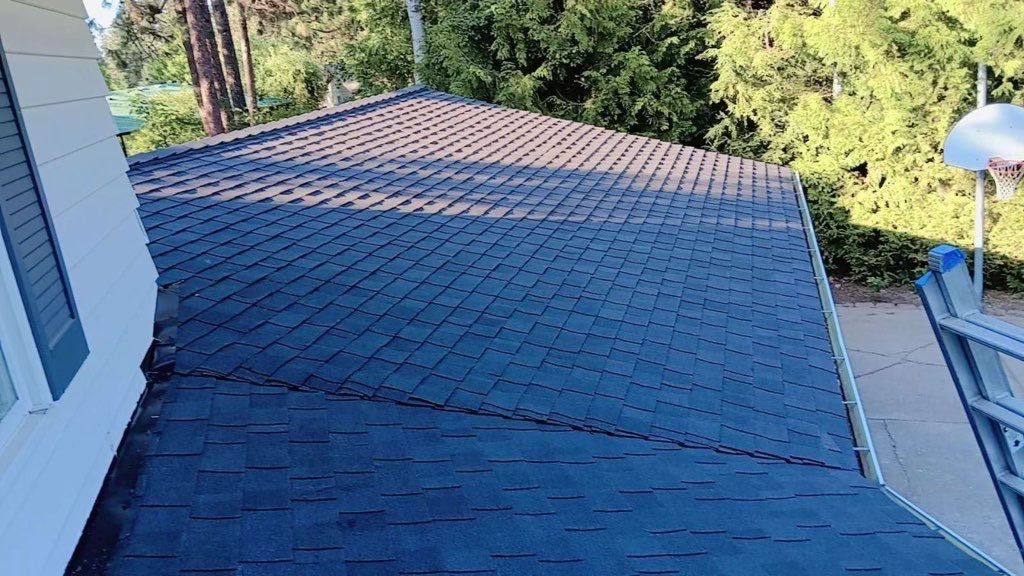
How to Identify Hail Damage on Your Ohio Roof — Before It Becomes a Bigger Problem
Ohio homeowners know the drill: a fast-moving storm rolls through, hail hammers the roof for ten minutes, and then it's gone. The sun comes back out, the driveway dries off, and life goes on. But what happened up on the roof? That's the question most homeowners never get a clear answer to — and it's one worth taking seriously.
Hail damage is one of the most common reasons Ohio homeowners file property insurance claims. Miami County and the surrounding area see multiple significant hail events every year, and the damage isn't always obvious from the ground. This guide will walk you through what hail damage actually looks like, how to assess your situation safely, and what to do next.
Why Hail Damage Is Easy to Miss
Unlike a fallen tree branch or a visible hole in the roof, hail damage is often subtle — at least at first. A hailstone doesn't punch through an asphalt shingle the way you might imagine. Instead, it bruises the shingle, knocking loose the protective granules that shield the underlying asphalt from UV rays and moisture.
From the ground, your roof might look completely fine. The shingles are still there. Nothing is visibly missing. But up close, the damage is real — and if left unaddressed, it accelerates the aging of your roof significantly.
This is why a post-storm inspection matters even when everything looks okay from the driveway.
What Hail Damage Actually Looks Like
If you're able to safely view your roof — or if a professional inspects it for you — here's what hail damage typically looks like on common roofing materials:
Asphalt Shingles
Asphalt shingles are the most common roofing material in Ohio, and they show hail damage in a few distinct ways:
- Granule loss in circular or random patterns. Hail knocks granules off the surface of the shingle, leaving dark, exposed spots. These spots may look like small craters or bruises. You might also notice an unusual amount of granules collecting in your gutters or at the base of your downspouts after a storm.
- Soft spots or bruising. When you press on a hail-damaged shingle (gently, and only if you're safely on the roof), it may feel soft or spongy — similar to pressing on a bruised apple. This indicates the mat beneath the granule layer has been compromised.
- Cracked or split shingles. Larger hailstones — anything over an inch in diameter — can crack shingles outright, especially on older roofs where the material has become more brittle.
- Shiny or reflective spots. Fresh hail impacts can leave shiny areas where the granule coating has been stripped away, exposing the asphalt beneath.
Metal Roofing and Flashing
Metal components — including flashing around chimneys, vents, and valleys — often show hail damage more clearly than shingles do. Look for:
- Dents or dimples in metal valleys, flashing, or drip edges
- Dents on gutters and downspouts — these are often the easiest hail indicators to spot from the ground
- Dents on HVAC units, satellite dishes, or other rooftop equipment
If your gutters and downspouts are dented, there's a strong chance your roof took a hit too.
Skylights and Roof Vents
Plastic or acrylic skylights may show cracking or pitting from hail. Roof vents — especially older plastic ones — can crack or chip. These are worth checking after any significant storm.
How to Check for Hail Damage Safely
Do not climb on your roof unless you are trained and equipped to do so safely. Roof surfaces can be slippery, steep, and unstable — especially after a storm. Falls from roofs are a leading cause of serious injury.
Here's what you can do safely from the ground:
- Walk the perimeter of your home. Look at your gutters, downspouts, and any exposed metal trim. Dents are a clear sign of hail impact.
- Check your window screens and sills. Hail often leaves small dents or tears in window screens. This is a useful indicator of hail size and intensity.
- Look at your AC unit. The aluminum fins on an outdoor AC condenser are very sensitive to hail. Even small hailstones leave visible dents.
- Check your vehicles. If your car was outside during the storm and shows dents, your roof almost certainly took a hit too.
- Look at your gutters from the ground. Granule buildup in gutters is a sign that shingles have been impacted.
If you see any of these signs, it's worth having a professional take a closer look at the roof itself.
Hail Size Matters — But Smaller Doesn't Mean Safe
A common misconception is that only large hail causes meaningful damage. In reality, hail as small as 1 inch in diameter — roughly the size of a quarter — can cause granule loss on asphalt shingles, especially on roofs that are already a few years old.
Hail size also varies across a storm's path. One side of your neighborhood might get pea-sized hail while another gets golf ball-sized stones. The National Weather Service tracks hail reports, and local news often reports on significant events — but the only way to know what happened to your specific roof is to have it inspected.
What to Do After a Hail Storm in Ohio
If you suspect your roof has been damaged by hail, here's a practical sequence of steps:
1. Document the storm. Note the date, time, and any local news or weather service reports about the storm. This information is useful if you later file an insurance claim.
2. Do a safe ground-level inspection. Use the checklist above to look for signs of hail impact on gutters, screens, and other surfaces.
3. Schedule a professional roof inspection. A qualified roofing professional can safely access your roof and give you an honest assessment of what's there. At LATR Consulting, we provide thorough roof inspections for homeowners in Piqua, Troy, Tipp City, and throughout Miami County. We document what we find with photos and clear explanations — no pressure, no upselling.
4. Understand your insurance options. If the inspection reveals significant hail damage, you may have a valid homeowner's insurance claim. Your policy likely has a deadline for filing storm-related claims — often one to two years from the date of loss, though this varies by insurer. Review your policy or contact your insurance agent to understand your coverage and timeline.
5. Don't rush into repairs. After a major storm, you may be approached by contractors offering quick repairs or free inspections. Take your time, verify credentials, and get multiple opinions if needed. A reputable contractor will give you a written estimate and won't pressure you to sign anything on the spot.
How LATR Consulting Can Help
LATR Consulting LLC is a property documentation and consulting firm based in Piqua, Ohio. We help homeowners understand the condition of their property — including after storm events — through honest, thorough inspections and clear documentation.
We are not a roofing contractor, and we are not a public adjuster. We don't negotiate with insurance companies on your behalf. What we do is help you understand what's actually happening with your home so you can make informed decisions about repairs, contractors, and insurance.
If you've had a hail storm come through Miami County and you're not sure what happened to your roof, we're happy to take a look and give you a straight answer.
The Bottom Line
Hail damage is common in Ohio, often subtle, and easy to ignore — until it isn't. Granule loss and bruised shingles don't cause immediate leaks, but they do shorten the life of your roof and can lead to bigger problems down the road. A post-storm inspection is the only reliable way to know what you're dealing with.
If you're in the Piqua area and want an honest assessment of your roof after a hail event, reach out to LATR Consulting. We'll tell you what we see — clearly, honestly, and without pressure.