
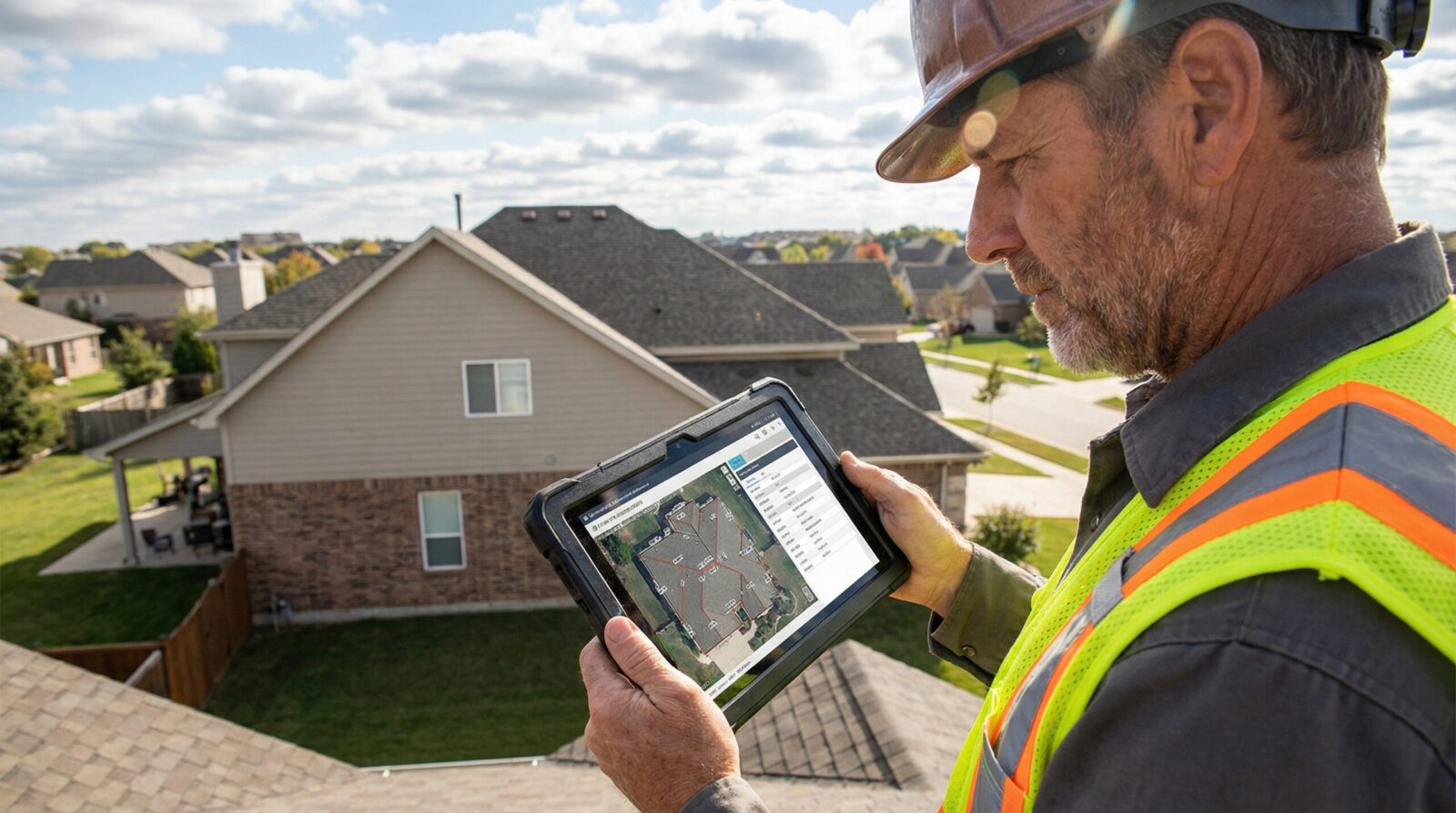
What to Expect From a Roof Inspection in Ohio (And When You Should Get One)
Most homeowners in Piqua and across Miami County don't think about their roof until something goes wrong — a leak in the ceiling, a shingle in the yard after a storm, or a buyer's inspector flagging issues during a home sale. But a proactive roof inspection is one of the simplest ways to protect one of your biggest investments.
This guide walks you through exactly what a roof inspection involves, what a qualified contractor looks for, and when it makes sense to schedule one.
What Is a Roof Inspection?
A roof inspection is a systematic visual and physical evaluation of your roof's condition. A qualified roofing contractor will assess the materials, structure, drainage, and penetrations (like chimneys, vents, and skylights) to identify existing damage, signs of wear, and potential problem areas before they become expensive repairs.
Inspections are not the same as an estimate. An estimate is a price quote for specific work. An inspection is a condition assessment — it tells you what's there, what's working, and what needs attention.
What Does an Inspector Actually Look For?
A thorough roof inspection covers several key areas:
1. Shingles and Surface Materials
The inspector will look at the overall condition of your shingles — whether they're curling, cracking, blistering, or missing granules. Granule loss is one of the most common signs of aging asphalt shingles. You might notice dark streaks on your shingles or a buildup of granules in your gutters. Both are worth flagging.
Missing shingles are an obvious concern, but so are shingles that look intact from the ground but are brittle or lifting at the edges. Wind can get under lifted shingles and cause rapid, widespread damage.
2. Flashing
Flashing is the metal material used to seal transitions — where your roof meets a chimney, a wall, a skyline, or a valley. Flashing failures are one of the most common causes of roof leaks. An inspector will check for rust, separation, improper installation, or gaps that allow water to penetrate.
3. Gutters and Drainage
Gutters are part of your roof system. An inspector will check whether they're properly attached, sloped correctly, and free of debris that could cause water to back up under the roofline. They'll also look for signs of standing water or improper drainage around the perimeter of the home.
4. Soffits, Fascia, and Ventilation
The soffit (the underside of your roof overhang) and fascia (the board along the edge) protect the roof structure from moisture and pests. Rotting or damaged soffits and fascia are often a sign of long-term moisture problems. Ventilation is also checked — poor attic ventilation can cause heat and moisture buildup that shortens the life of your shingles from the inside out.
5. Penetrations and Seals
Every pipe, vent, or chimney that passes through your roof is a potential entry point for water. Inspectors check the boots (rubber seals around pipes), caulking, and flashing around all penetrations to make sure they're watertight.
6. Interior Signs
A good inspector may also ask to look at your attic. Signs of moisture, staining, mold, or daylight coming through the decking can reveal problems that aren't visible from the outside.
When Should Ohio Homeowners Get a Roof Inspection?
There's no single right answer, but here are the most common situations where an inspection makes sense:
After a major storm. Ohio weather can be brutal — hail, high winds, and heavy snow all take a toll on roofing materials. After any significant storm event, it's worth having a contractor take a look, even if you don't see obvious damage from the ground. Some storm damage is subtle and only becomes a problem months later.
Before buying or selling a home. A roof inspection before listing your home gives you time to address issues on your terms. If you're buying, an independent roofing inspection (separate from the general home inspection) gives you a clearer picture of what you're taking on.
Every 3–5 years for roofs over 10 years old. Asphalt shingles typically last 20–30 years depending on the product and installation quality, but they don't age uniformly. Regular inspections help you catch problems early and plan for eventual replacement rather than being surprised by it.
If you notice interior water stains. A water stain on your ceiling doesn't always mean your roof is leaking — it could be a plumbing issue or condensation — but it's always worth ruling out the roof first.
Before winter. Ohio winters are hard on roofs. Ice dams, freeze-thaw cycles, and heavy snow loads can all cause damage. A fall inspection lets you address any vulnerabilities before the cold sets in.
What Happens After the Inspection?
A reputable contractor will walk you through their findings and explain what they saw in plain language. You should receive a clear summary of:
- What's in good condition
- What needs monitoring
- What needs repair now
- Whether replacement is on the horizon
Be cautious of any contractor who insists on immediate replacement without showing you the evidence. A trustworthy inspector will show you photos, explain the reasoning, and give you options — not pressure you into a decision on the spot.
Does Insurance Cover Roof Inspections?
Typically, no. A standard homeowner's insurance policy covers sudden, accidental damage — not routine maintenance or inspections. However, if a storm caused damage that's discovered during an inspection, that damage may be covered under your policy depending on your deductible and the nature of the loss.
LATR Consulting documents property conditions and helps homeowners understand what they're looking at — but we are not a public adjuster and do not negotiate insurance claims on your behalf. If you have questions about your coverage, your insurance agent is the right person to call.
How to Prepare for a Roof Inspection
You don't need to do much. Make sure the inspector has access to your attic if they want to check it, and clear any vehicles or obstacles from the driveway so they can safely set up a ladder. If you've noticed any specific areas of concern — a spot where you've seen a drip, a section of shingles that looks different — point those out at the start.
The Bottom Line
A roof inspection is a low-cost, high-value step that gives you real information about the condition of your home. Whether you're being proactive, responding to a storm, or preparing for a real estate transaction, knowing what's on top of your house puts you in a much better position to make smart decisions.
If you're in Piqua, Troy, Tipp City, or anywhere in Miami County and want a straightforward assessment of your roof's condition, LATR Consulting is here to help. We'll tell you what we see — honestly and without pressure.